
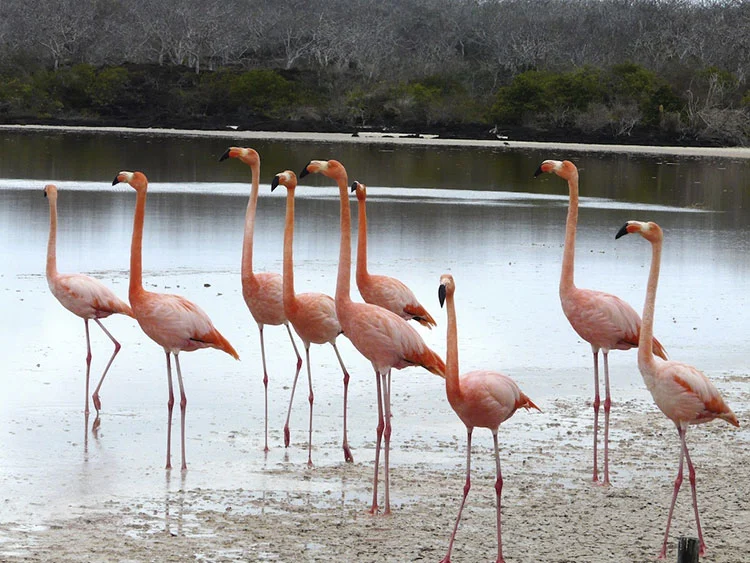
American Flamingo
Overview The American flamingo is the largest and most vividly colored bird in the Galápagos, found wading in a handful…

Overview The American flamingo is the largest and most vividly colored bird in the Galápagos, found wading in a handful…
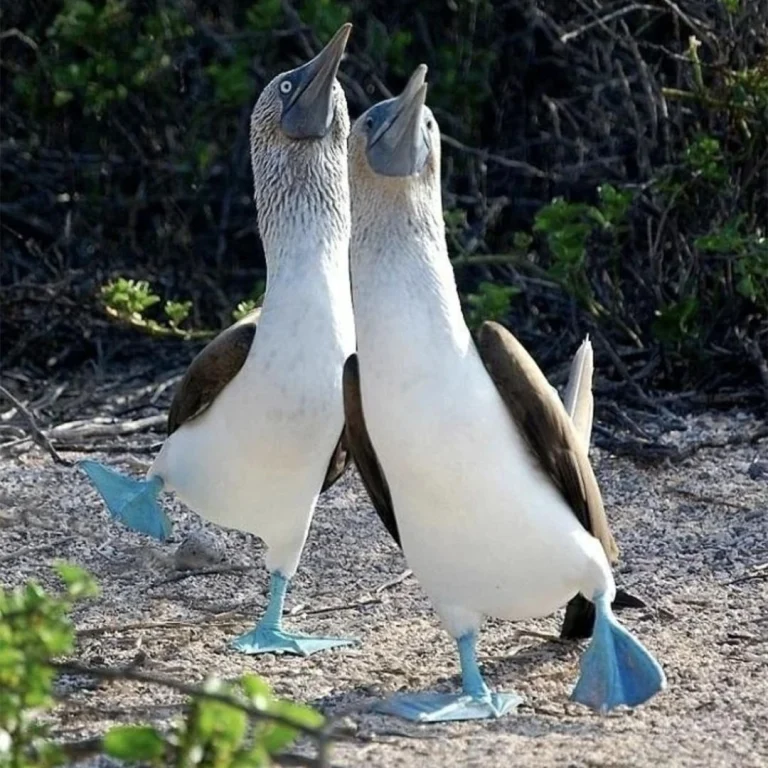
Overview One of the most recognizable Galápagos seabirds, known for its bright blue feet and an elaborate courtship dance that…
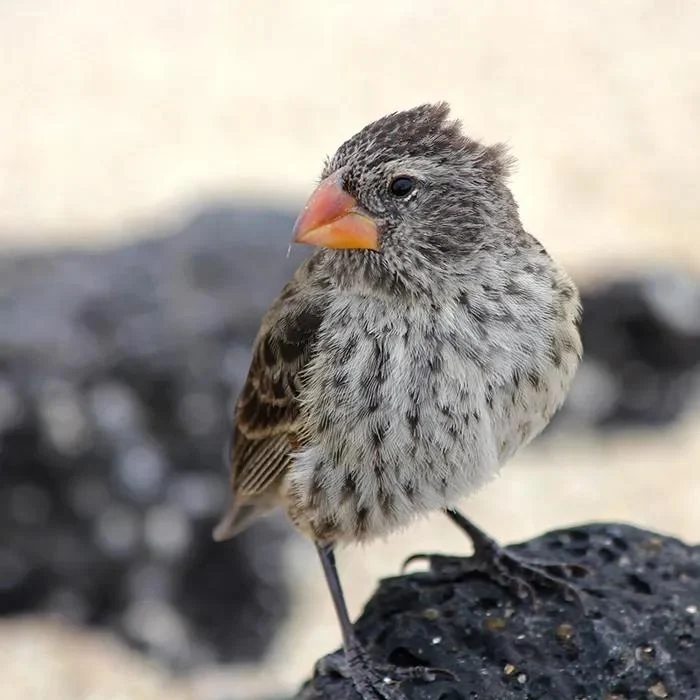
Overview Darwin’s finches are a group of small, closely related songbirds found only in the Galápagos, famous as one of…
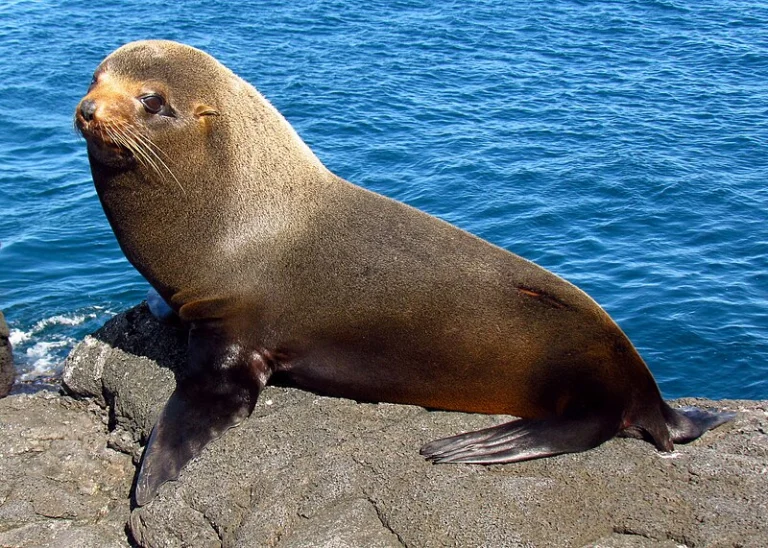
Overview The Galápagos fur seal is often mistaken for the more commonly seen Galápagos sea lion, but it is a…
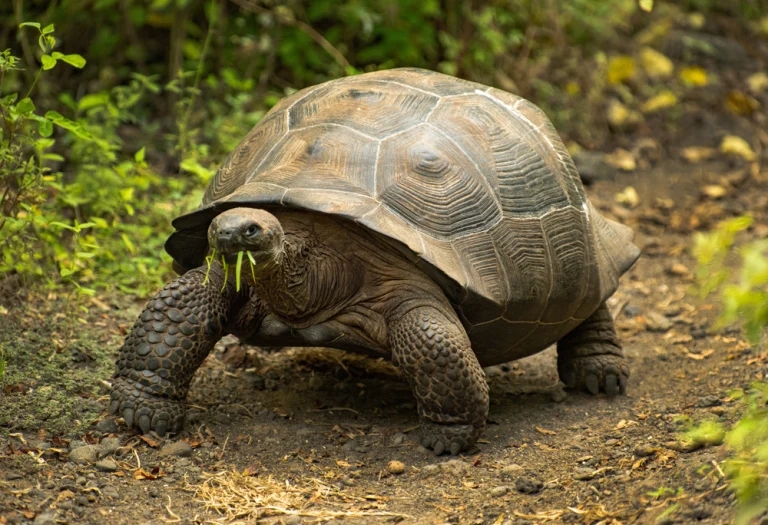
Overview The giant tortoise is the archipelago’s most iconic resident, and the animal that gave the islands their name —…
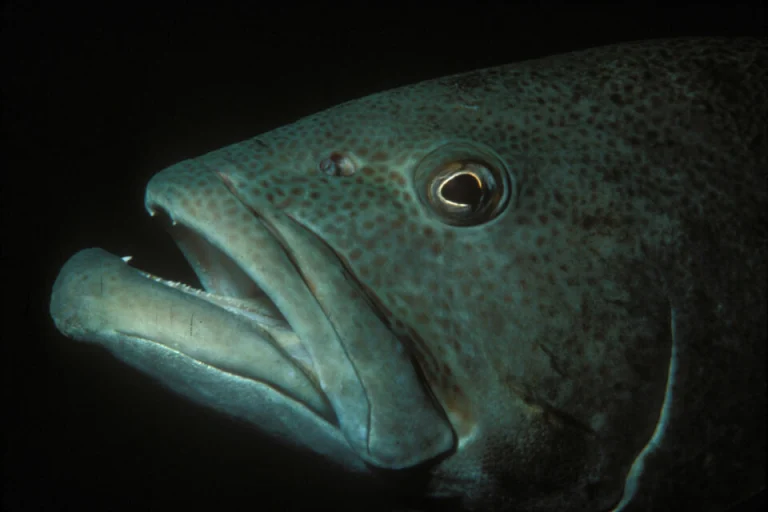
Overview Known locally as “bacalao,” the Galápagos grouper is an endemic reef fish that was historically one of the most…
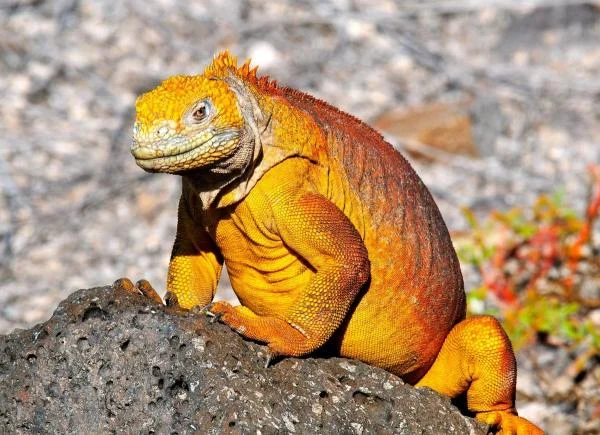
Overview The Galápagos land iguana is one of the archipelago’s most visually striking reptiles, with a heavy, dragon-like build and…
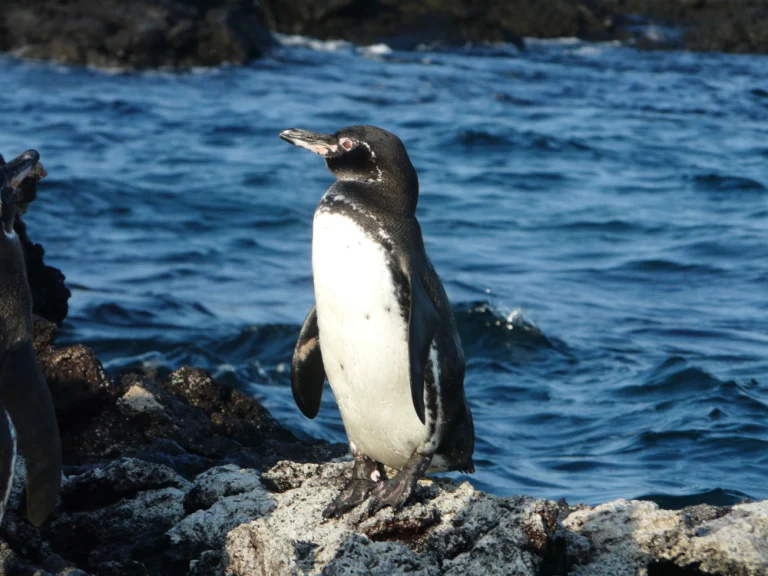
Overview The Galápagos penguin is the only penguin species found north of the equator in the wild, and one of…
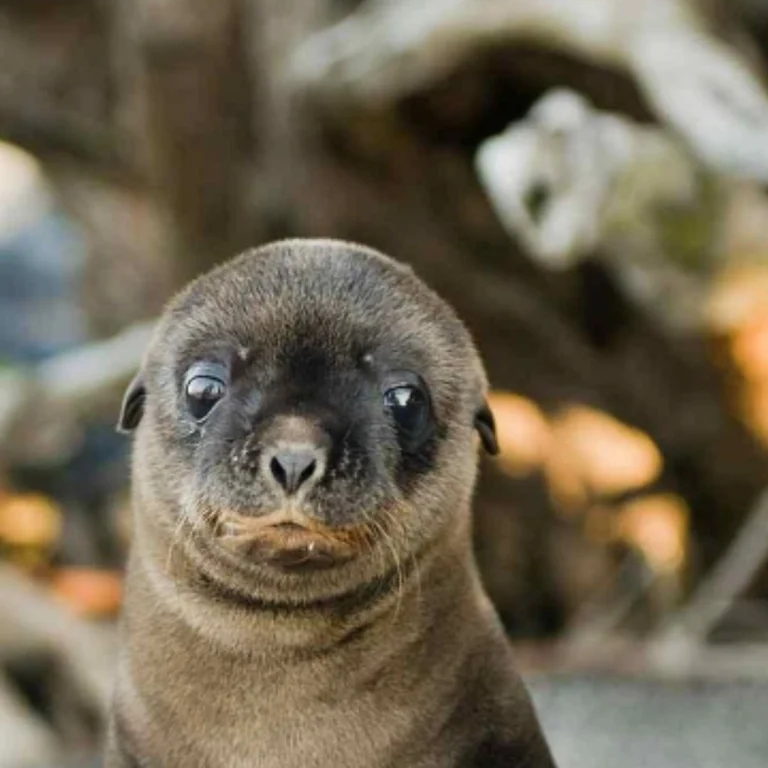
Overview One of the most commonly encountered and endearing Galápagos animals, found lounging on beaches, piers, and even park benches…
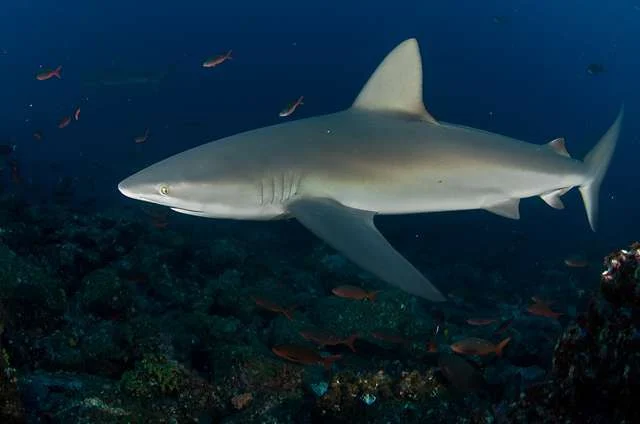
Overview The Galápagos shark is a large, powerful requiem shark first formally described from specimens collected in the islands that…
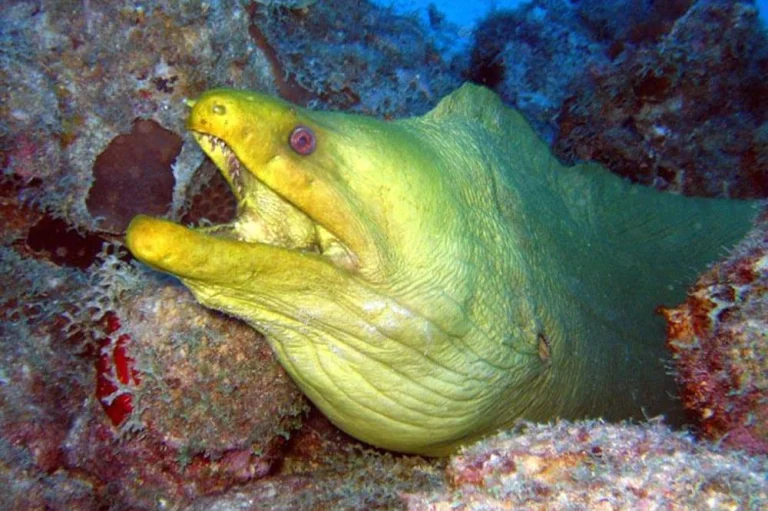
Overview The green moray eel is one of the largest eel species found in the Galápagos, usually seen with just…
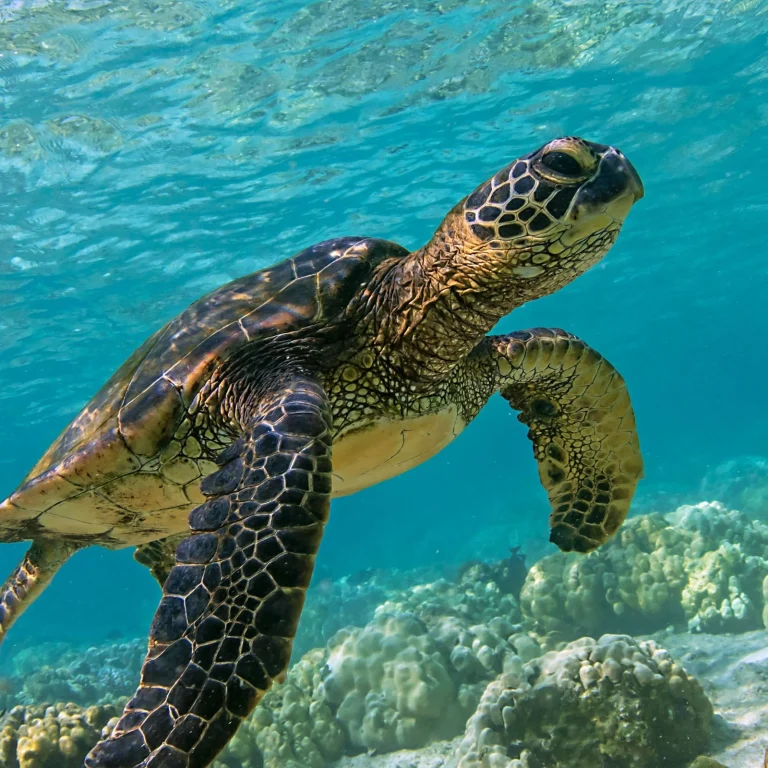
Overview A large, widely distributed marine turtle for which Galápagos waters serve as important feeding grounds, and whose beaches on…
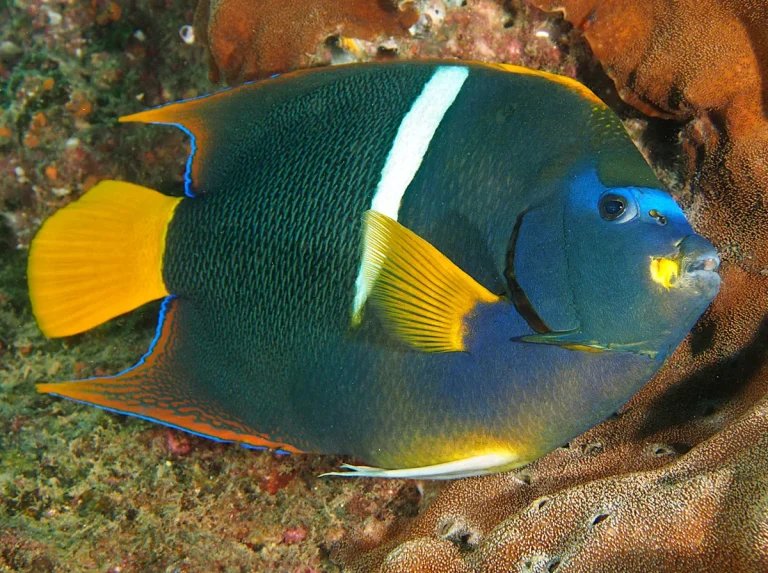
Overview The king angelfish is one of the most visually striking reef fish in the Galápagos, made even more remarkable…
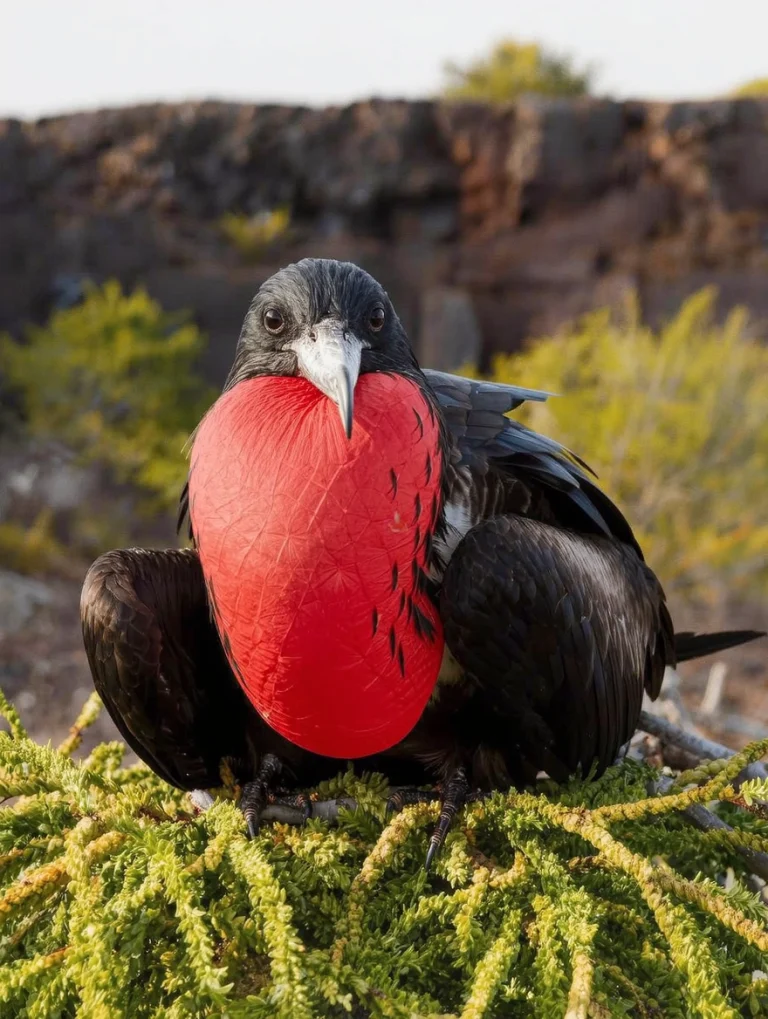
Overview A large seabird best known for the male’s dramatic, balloon-like red throat pouch, inflated during courtship. Two very similar…
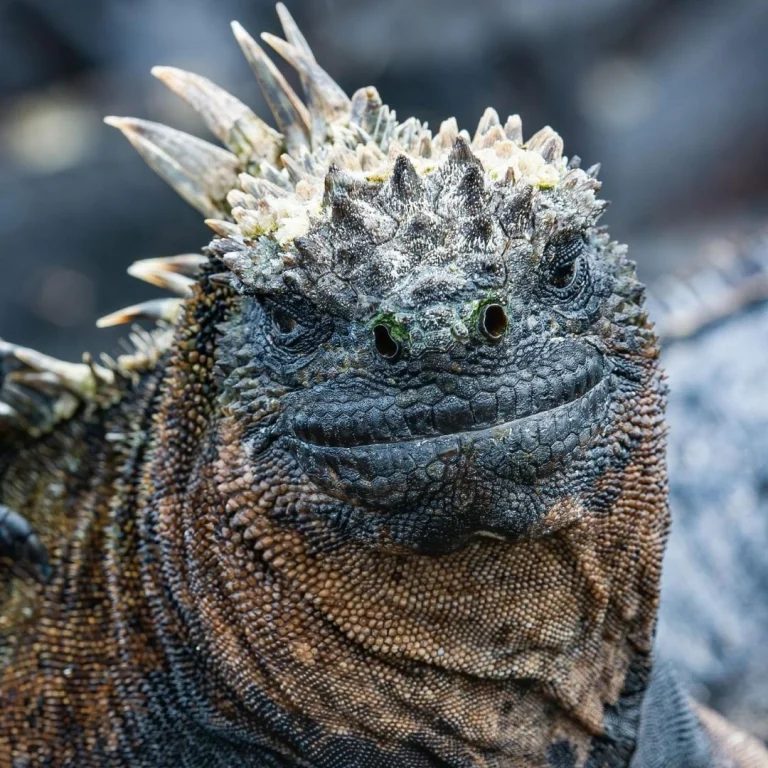
Overview The marine iguana is the world’s only sea-going lizard, found exclusively in the Galápagos. Dark, almost dragon-like in appearance,…
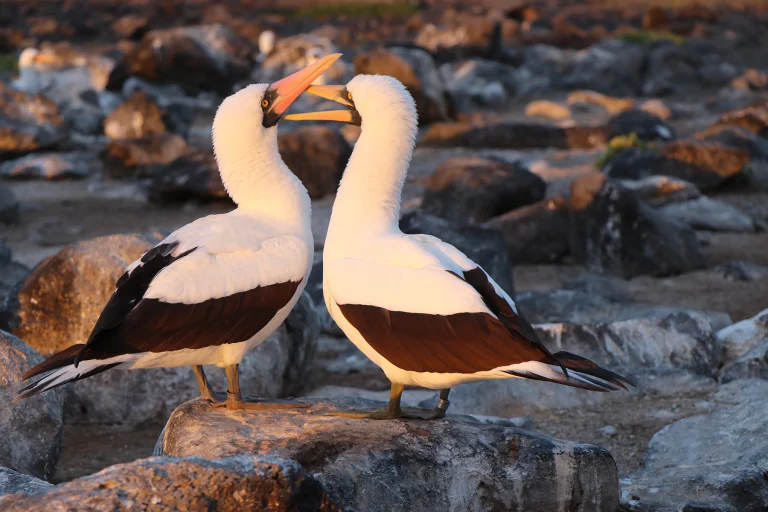
Overview The largest of the Galápagos booby species, with all-white plumage, black flight feathers, and a distinctive orange-pink bill. Physical…
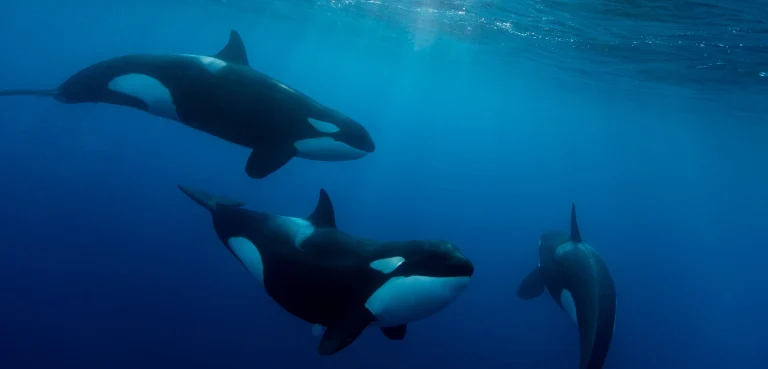
Overview The orca, or killer whale, is the ocean’s largest dolphin and an apex predator found in every ocean on…
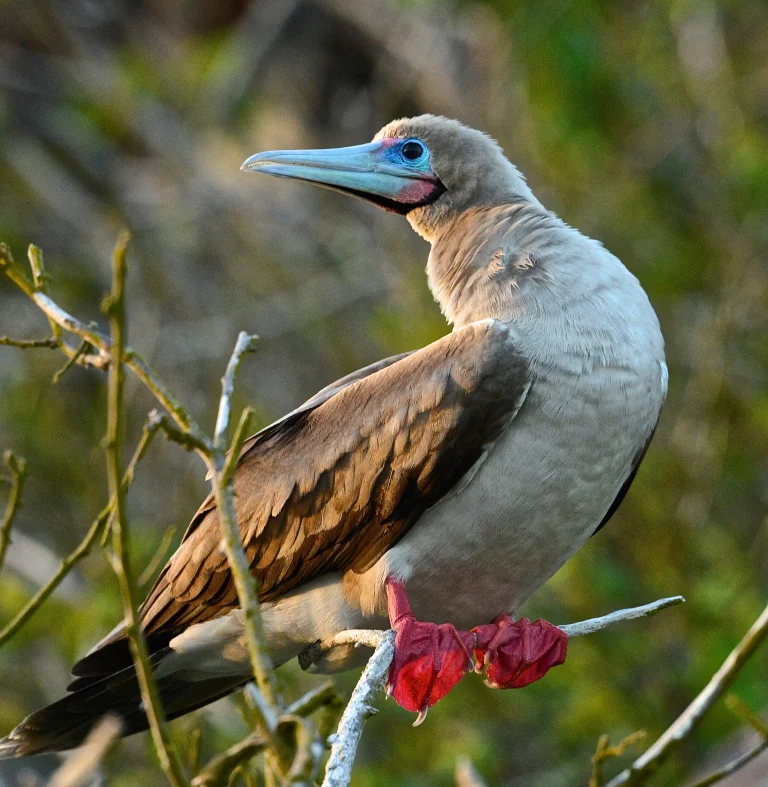
Overview The smallest and most numerous of the three Galápagos booby species, and the only one that nests in trees…
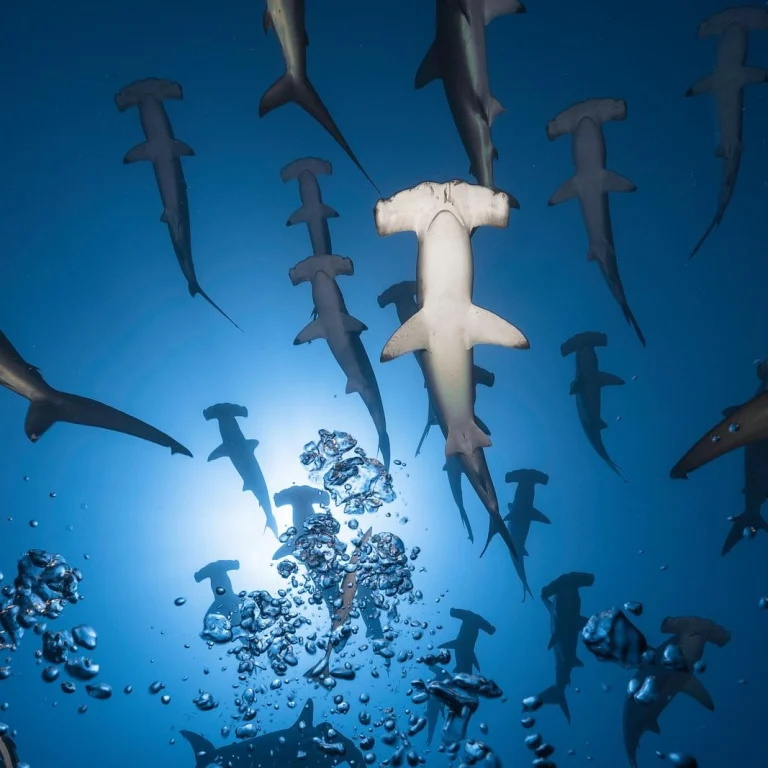
Overview One of the Galápagos Marine Reserve’s most famous predators, known for gathering in large daytime schools around the archipelago’s…
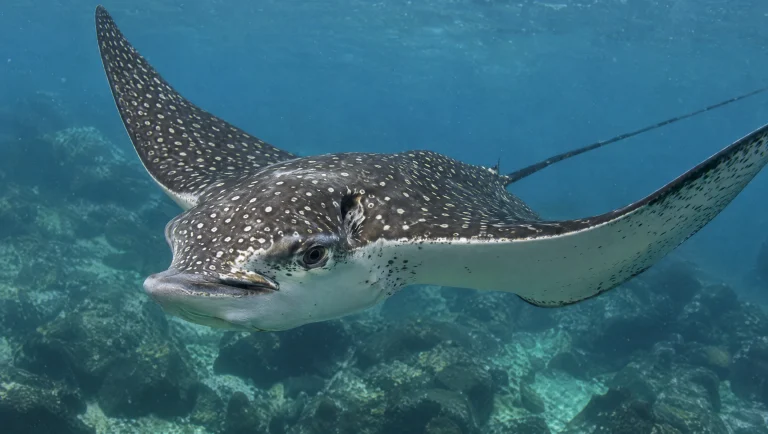
Overview A striking ray frequently seen gliding through Galápagos waters, easily identified by the white spots scattered across its dark…
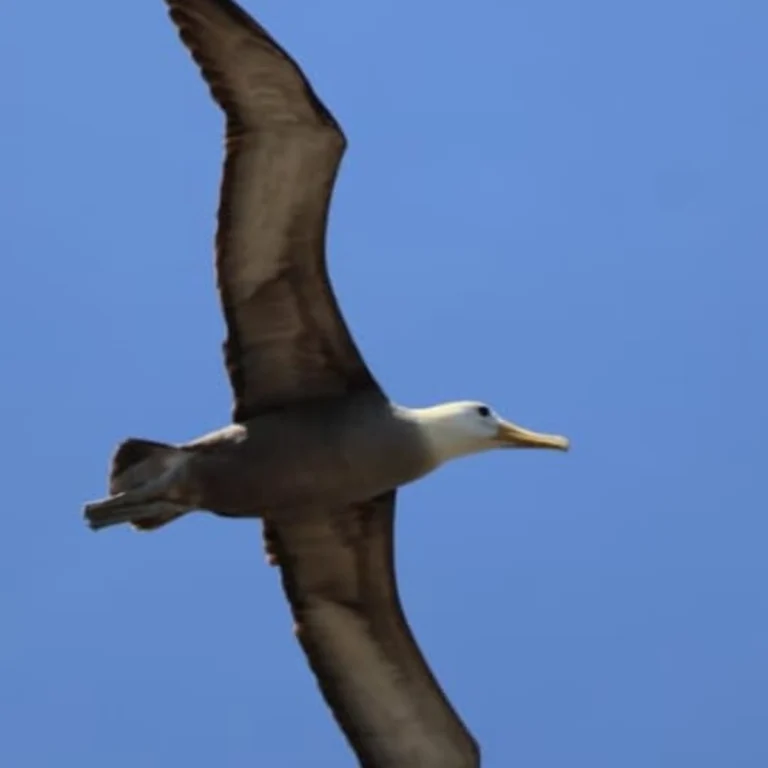
Overview The largest bird in the Galápagos and the only albatross species that breeds in the tropics. Almost the entire…
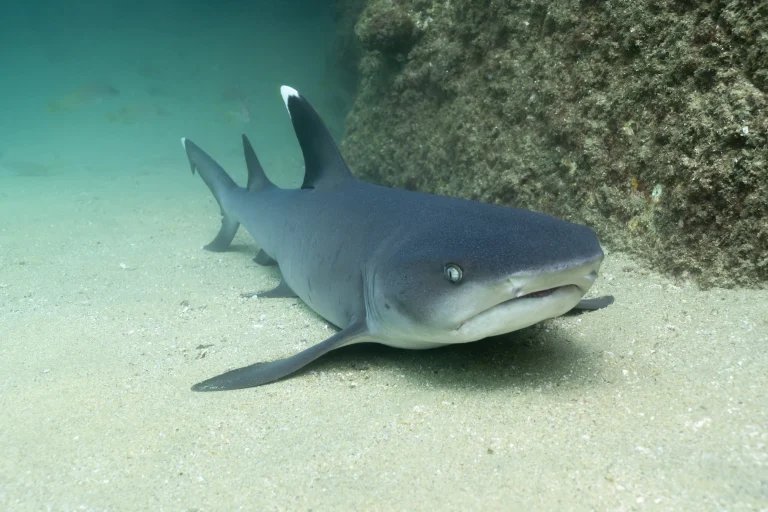
Overview The whitetip reef shark is a small, slender shark best known for a habit unusual among its relatives: unlike…
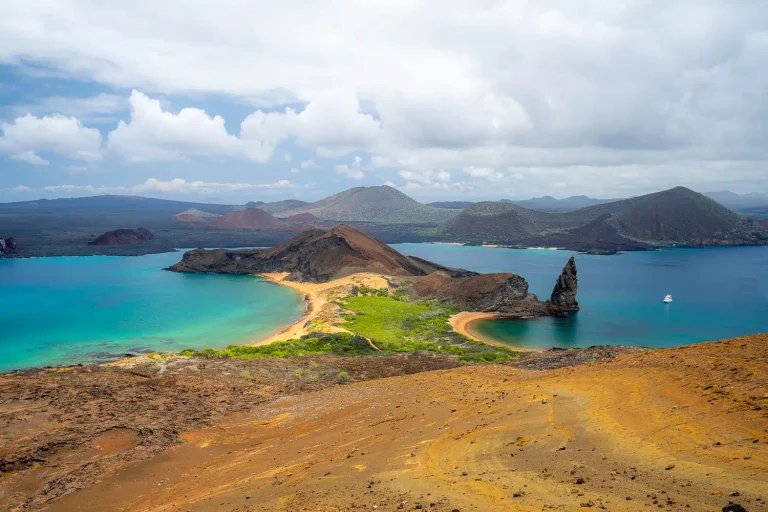
Overview A small, young volcanic islet beside Santiago, Bartolomé is best known for one of the most photographed views in…
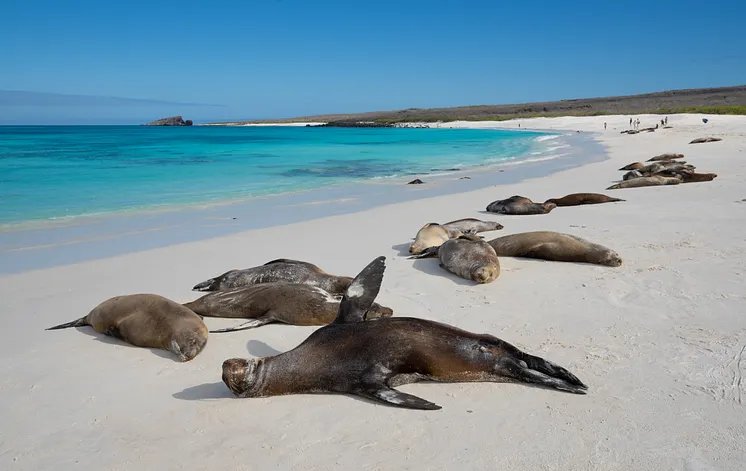
Overview Española is the oldest island in the Galápagos archipelago, its volcanic shield estimated at nearly four million years of…
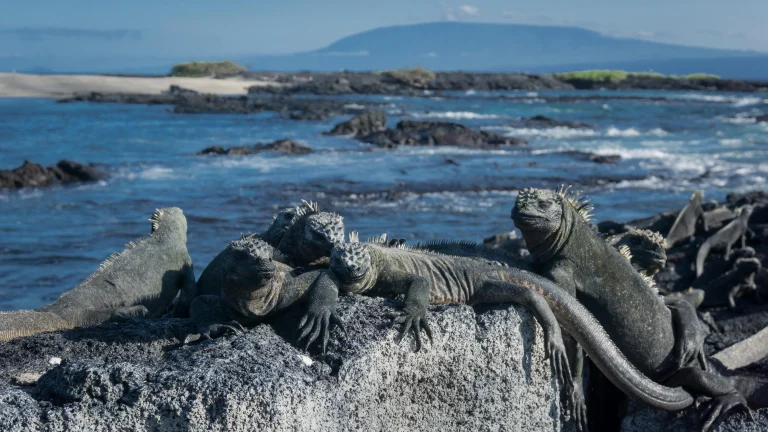
Overview Fernandina is the youngest and most pristine island in the archipelago, and the only major island with no introduced…
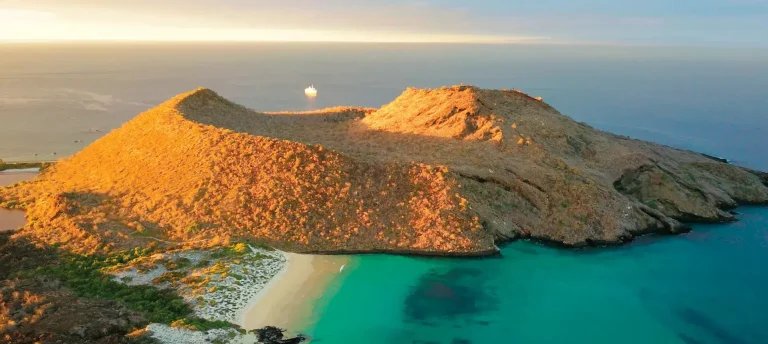
Overview One of the first islands settled in the Galápagos, Floreana has an unusually rich and sometimes mysterious human history,…
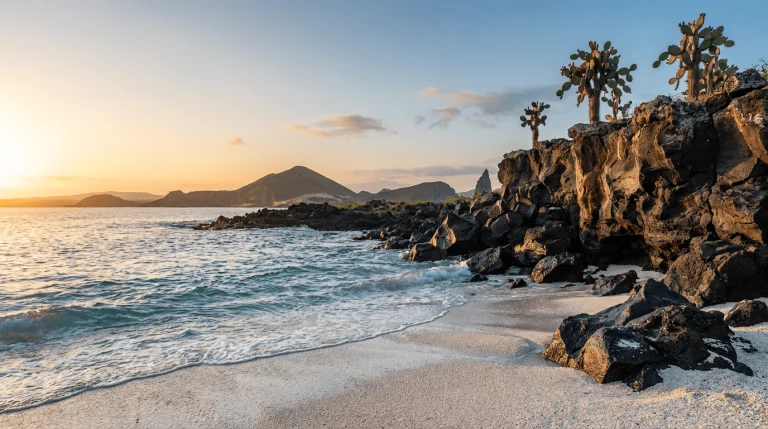
Overview Known as “Bird Island,” Genovesa is one of the most important seabird breeding sites in the Galápagos, formed by…
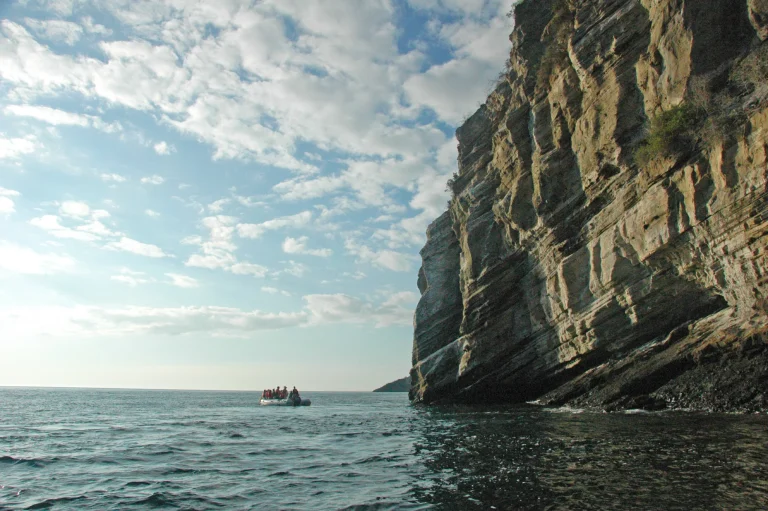
Overview Isabela is the largest island in the Galápagos, formed by the fusion of six shield volcanoes, and home to…
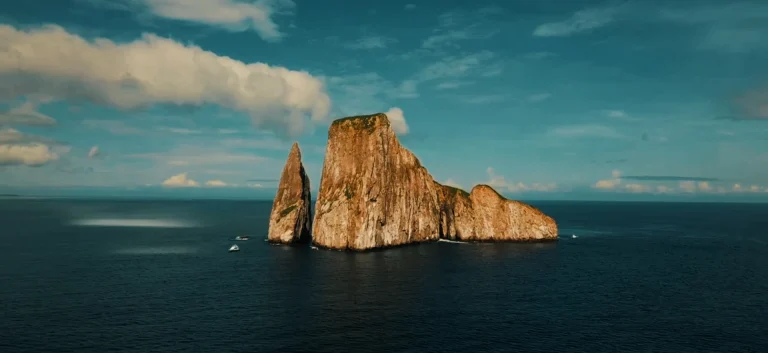
Overview San Cristóbal is the easternmost island in the Galápagos and one of the oldest in the archipelago. It is…
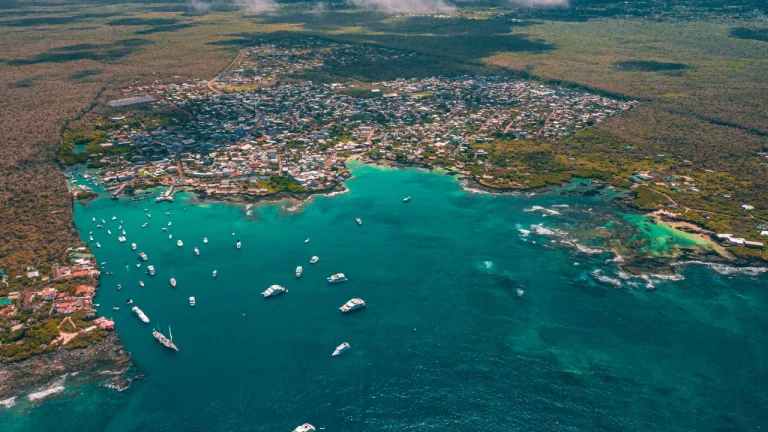
Overview Santa Cruz is the most populated and most visited island in the Galápagos, home to Puerto Ayora and the…
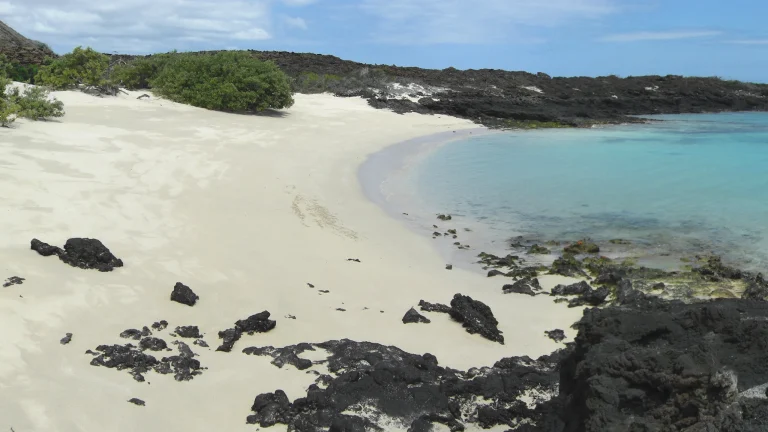
Overview The fourth-largest island in the Galápagos, Santiago carries a varied volcanic history and a more recent past shaped by…
The Galápagos change with the ocean currents. Choose a month to see what the islands have in store.
Water temperatures are typical ranges. There is no bad month in the Galápagos — each season reveals a different side of the islands, and our naturalists will help you choose.
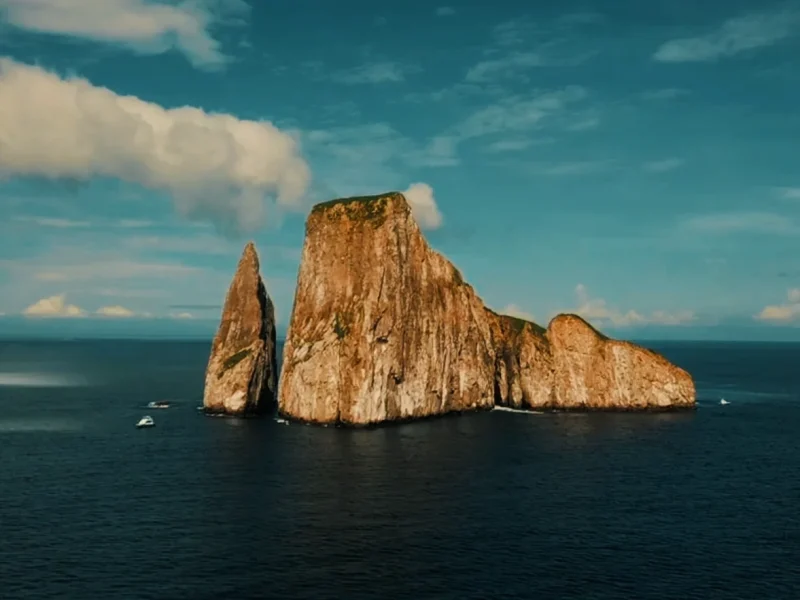
From volcanic origin to protected archipelago: how isolation, ocean currents and three centuries of human history shaped the Galápagos into what they are today.
Read the Full History