
Packing for the Galápagos is less about elegance than about ease. On an expedition cruise you will step from a panga onto a white beach, climb a lava trail at sunrise, snorkel beside sea lions before lunch and dine aboard in the evening. Our naturalists have guided thousands of guests through these days; here is what they recommend bringing, and what you can leave at home.
Clothing for the equator, and for the ocean
The islands sit on the equator, but the ocean sets the temperature. From December to May, days are warm and humid; from June to November, mornings are cooler and often veiled in mist. In both seasons, the answer is light layers.
- Breathable shirts with long sleeves, which protect from the sun better than any cream.
- Light trousers and a pair of shorts.
- A light fleece or sweater for evenings on deck, especially from June to November.
- A thin windproof and waterproof jacket.
- A wide-brimmed hat that stays on in the wind, and polarized sunglasses.
- Two swimsuits, so that one is always dry.
Dress aboard is relaxed. A smart-casual outfit for dinner is more than enough; formal wear is never expected.
The right shoes for wet and dry landings
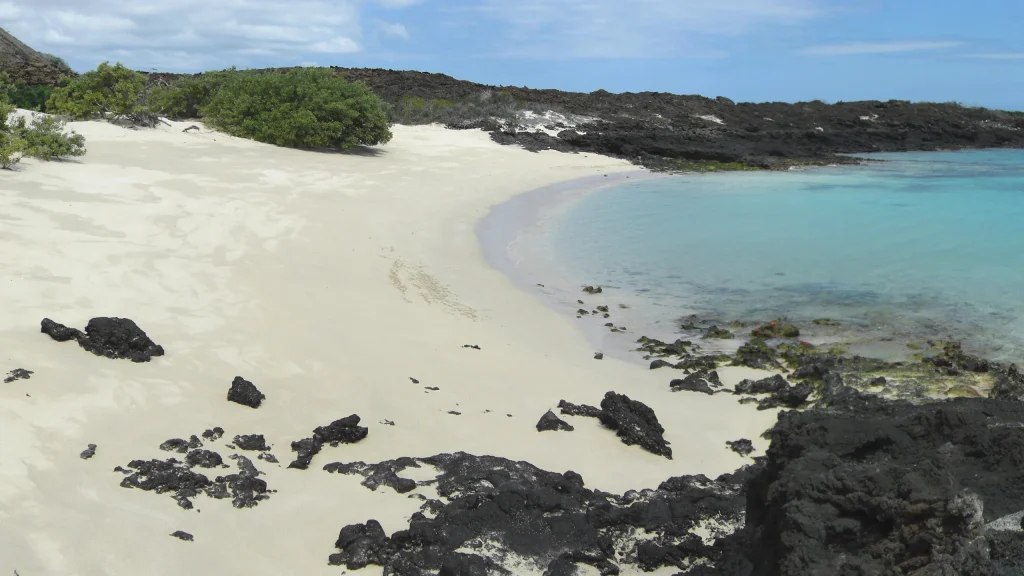
Landings in the Galápagos are either dry, stepping onto rocks or a small dock, or wet, stepping from the panga into shallow water on a beach. For wet landings, sport sandals with a heel strap are ideal. For lava trails, bring comfortable walking shoes with a firm sole; volcanic rock is sharp and uneven. A pair of light shoes for the ship completes the set.
For the water
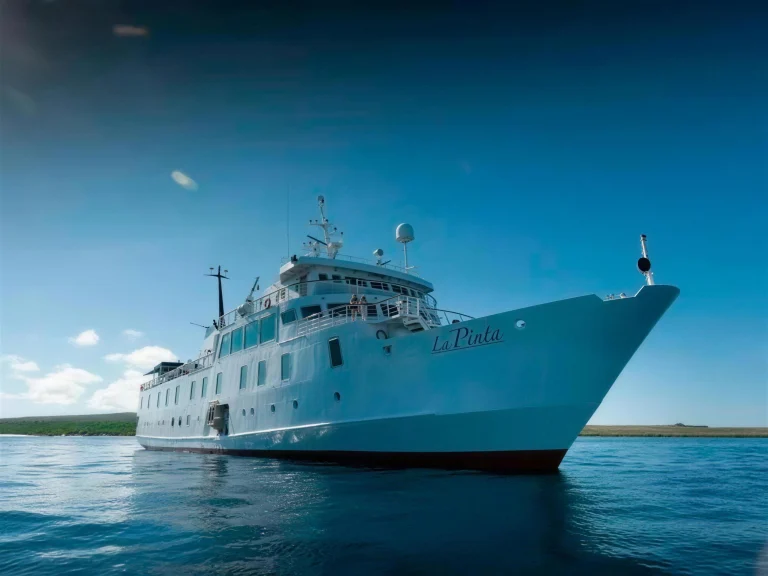
Snorkeling equipment is provided on board, and wetsuits are included aboard La Pinta and available to rent aboard the Legend. If you wear glasses, a mask fitted with your own prescription lenses will transform your days underwater. A rash guard is pleasant in the warm season, when a wetsuit can feel too much. A small dry bag keeps a phone and a towel dry in the panga.
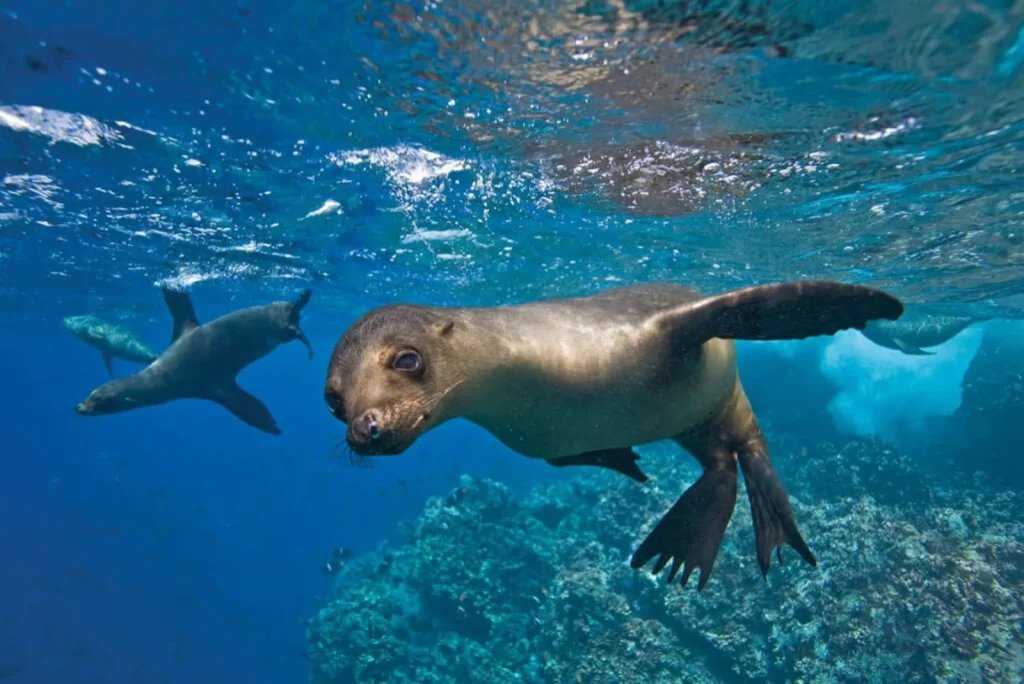
Protection from the equatorial sun
The sun is far stronger than it feels in the sea breeze. Bring a high-protection, reef-safe sunscreen, a lip balm with sun protection, and plan to reapply after every swim. The sunscreens that damage coral and marine life are best left at home: it is a small gesture with a real impact on the waters you will explore.
For seeing, and for remembering
- Light binoculars, for seabirds on the cliffs and whales on the horizon.
- A camera with a zoom lens, and spare batteries and memory cards.
- A small backpack for landings.
- A reusable water bottle: plastic is kept to a minimum in the islands.
Health and documents
Bring your usual medication in your hand luggage, with a little extra, and a remedy against seasickness if you are sensitive to motion, particularly from July to September when the sea is livelier. Your passport must be valid for at least six months. Domestic flights to the islands generally allow one checked bag of around 23 kg: a soft bag stores more easily in a cabin than a rigid suitcase.
What you can leave at home
Formal clothes, heavy guidebooks and anything that could carry seeds or soil, such as muddy boots: the islands apply strict biosecurity rules to protect their ecosystems, and your luggage is inspected on arrival. Samuel’s book, which every guest receives before departure, replaces the guidebook far better.
Once your voyage is reserved, our team sends you a detailed list adapted to your season and itinerary. And if you have a question while packing, write to us: a naturalist will answer.