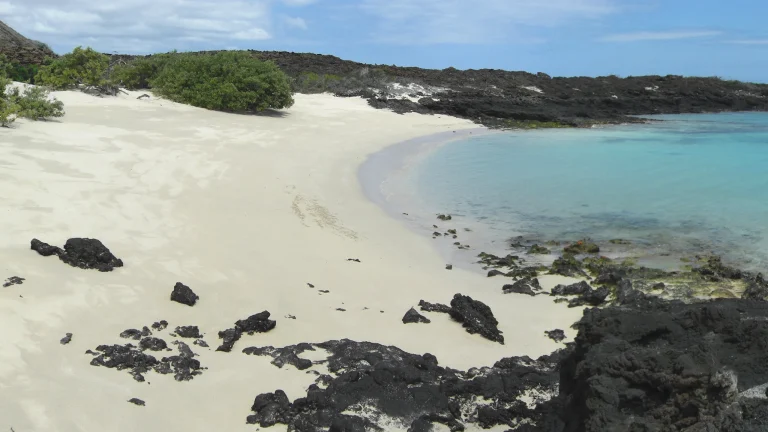

On a March morning off Española, the sea can lie so still that the first waved albatrosses of the year are visible from the deck long before the panga reaches the shore. Six months later, in the same place, a cooler current carries so much life that the water turns green with plankton and the colony is feeding its chicks. Both are the Galápagos. Neither is better. They are simply two different faces of the same islands.
The archipelago sits on the equator, yet its climate is governed less by latitude than by the ocean. Two seasons shape every voyage, and understanding them is the surest way to decide when to travel.
Two seasons, set by the ocean
From December to May, warm waters from the north bathe the islands. The air turns humid, short tropical showers bring the arid lowlands back to green, and the sea is at its calmest. From June to November, the cold Humboldt Current, flowing up from the coast of South America, takes over. Mornings are often veiled in a fine mist the islanders call garúa, the sea becomes livelier, and the cooler, nutrient-rich water feeds an extraordinary abundance of marine life.
West of Isabela and around Fernandina, a deep current, the Cromwell Current, rises to the surface throughout the year. It is why the western islands remain among the most productive waters of the archipelago, whatever the season.
December to May: the warm and green season
This is the season for calm crossings and warm water. Sea temperatures typically reach 23 to 26°C, and March is often the warmest and calmest month of the year. Snorkeling is at its most comfortable, visibility is excellent, and the landscapes are at their greenest.
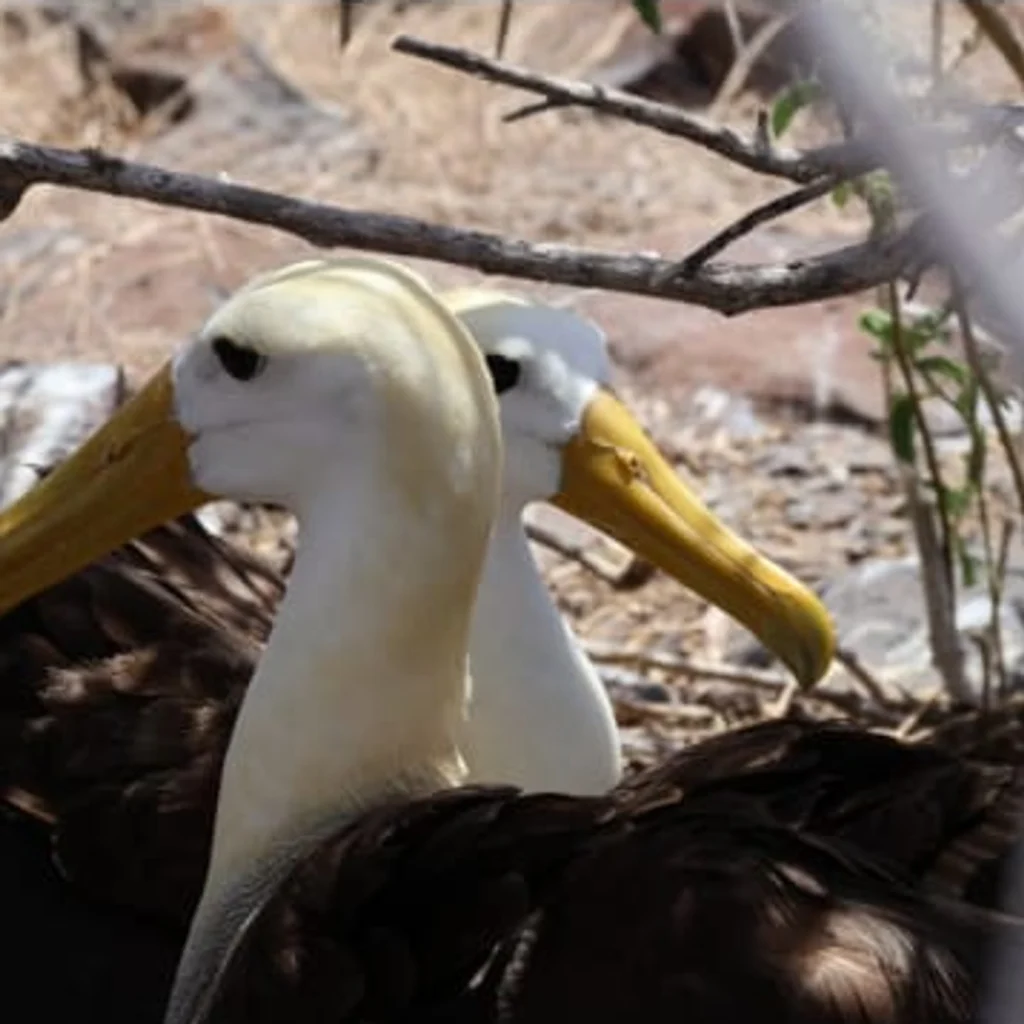
It is also a season of beginnings. Green sea turtles come ashore to nest from January, and their hatchlings make for the sea around April. Marine iguanas nest on Santa Cruz and Fernandina, land iguanas breed on Isabela, and flamingos nest in the lagoons of Floreana. In late March, the waved albatrosses return to Española (the only island in the Galápagos where they breed), and their courtship, a long ritual of bowing, bill-fencing and sky-pointing, fills the months of April and May.
June to November: the cool and dry season
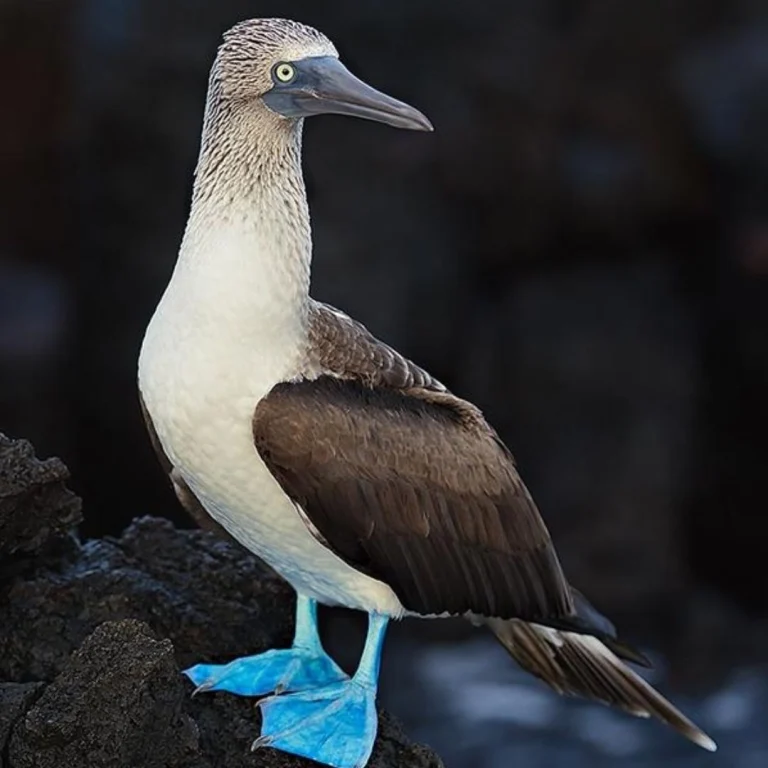
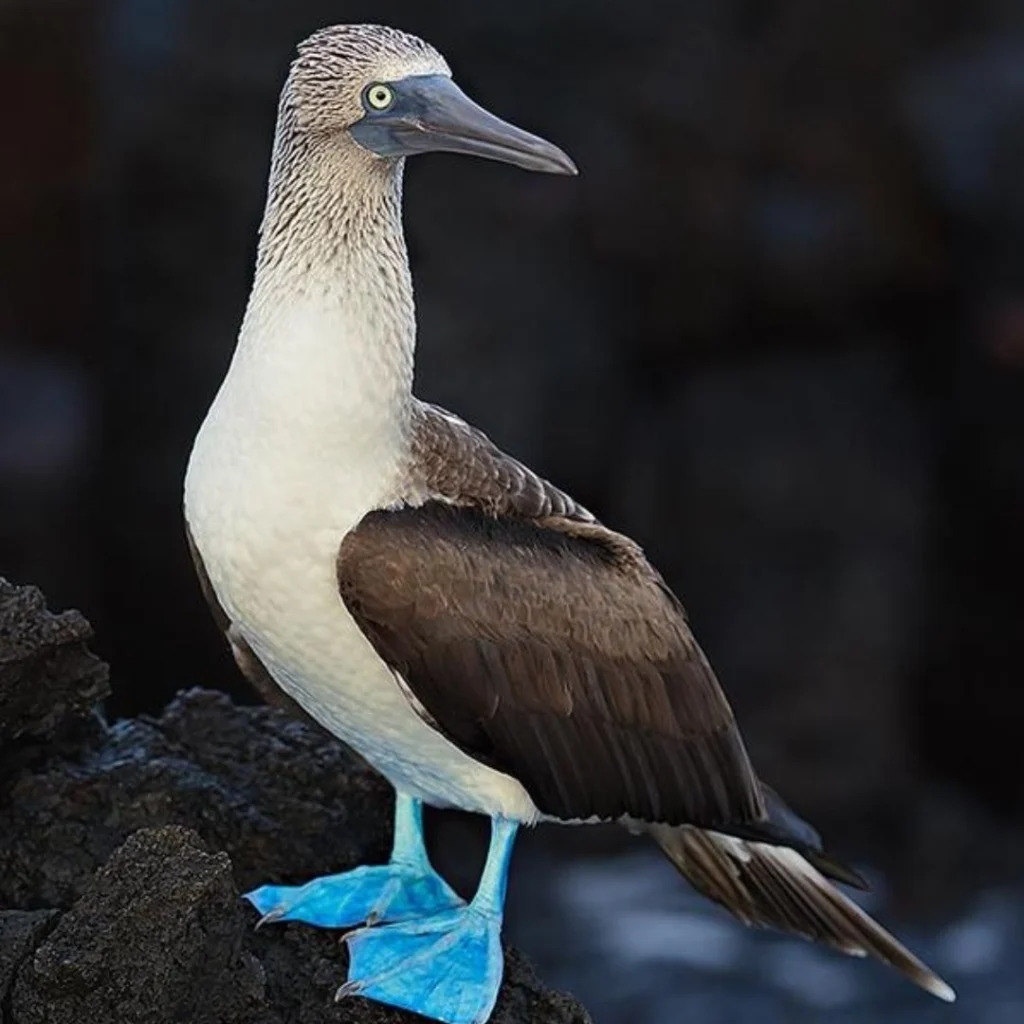
When the Humboldt Current arrives, the water cools to around 19 to 23°C, and life multiplies. This is the season of the seabirds: blue-footed boobies court and raise their chicks on North Seymour and Española, Nazca boobies nest on Genovesa and Española from August, and the Galápagos penguins are at their most active around Bartolomé and Isabela in September.
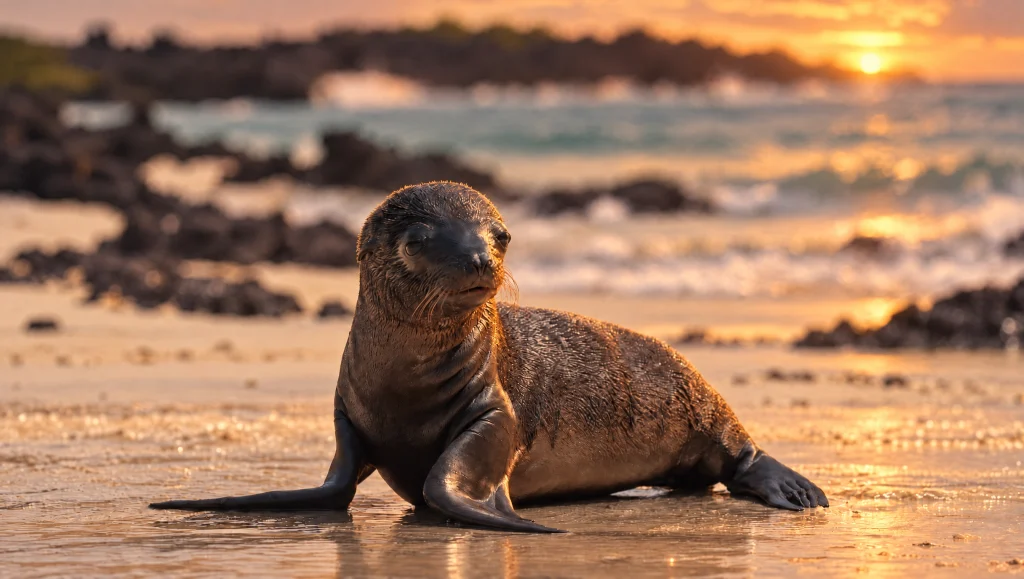
On land, giant tortoises move down to the lowlands of Santa Cruz to nest from June and lay their eggs through the autumn. At sea, dolphins and whales are seen more often, sea lion pupping begins in August, and by November young sea lions come to play with snorkelers in almost every bay. The sea is livelier, particularly from July to September, and a wetsuit becomes a welcome companion, a small price for the richest underwater encounters of the year.
The year at a glance
- January: the islands turn green; green sea turtles begin to nest.
- February: marine iguanas nest on Santa Cruz; flamingos nest on Floreana.
- March: the warmest, calmest sea of the year; waved albatrosses return to Española.
- April: albatross courtship; turtle hatchlings reach the sea.
- May: blue-footed booby courtship begins on North Seymour.
- June: the Humboldt Current arrives; giant tortoises move to the lowlands to nest.
- July: seabird breeding in full swing; dolphins and whales seen more often.
- August: Nazca boobies nest; the sea lion pupping season begins.
- September: the coolest water and the richest marine life; penguins at their most active.
- October: Galápagos fur seals begin breeding; giant tortoises lay their eggs.
- November: the sea settles; young sea lions play with snorkelers.
- December: the warm season returns; giant tortoise hatchlings emerge.
Our month-by-month calendar in the Knowledge Hub details each month, with the species you are most likely to encounter.
Which season suits you
For calm seas and warm-water snorkeling, choose the months from February to May. Travelers sensitive to motion, and families traveling with young children, often prefer them.
For seabirds and marine life, the cool season has no equal: from July to October, the colonies are at their busiest and the waters at their most animated.
For the waved albatross, travel between April and December, on an itinerary that includes Española.
For photographers, both seasons reward patience. The soft, diffused light of the garúa months flatters wildlife portraits; the warm season offers clear horizons and green landscapes.
Choose the itinerary as carefully as the month
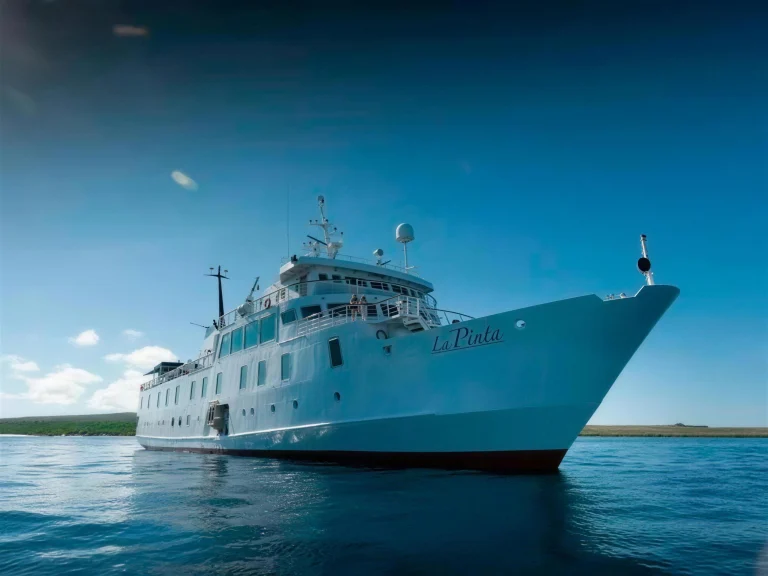
The season decides what the islands are doing; the itinerary decides which islands you will see. Española and its albatrosses, Genovesa and its boobies, Fernandina and its marine iguanas are each reached by specific routes. Aboard the Galápagos Legend, four eight-day itineraries cover the archipelago from east to west; La Pinta offers two intimate five-day routes. Our naturalists will match your dates with the route that reveals the most at that moment of the year.
When to reserve
Cabins aboard the finest vessels are few, and the Christmas and New Year holidays, as well as July and August, are reserved well in advance. Reserving more than 120 days before departure also allows you to secure your voyage with a 50% deposit, the balance being settled later (see how a reservation works).
There is no wrong month in the Galápagos, only different encounters. Tell us what you most hope to see, and we will tell you when to come.