

San Cristóbal Island
Overview
San Cristóbal is the easternmost island in the Galápagos and one of the oldest in the archipelago. It is also the most populated, home to the provincial capital, Puerto Baquerizo Moreno — giving visitors a rare chance to see a living Galápagos town alongside pristine wildlife sites just minutes away.
Geology & Formation
Like Española, San Cristóbal sits toward the eastern, older end of the archipelago, its volcanic landscape softened by millions of years of erosion compared to the raw, active cones further west.
Landscape
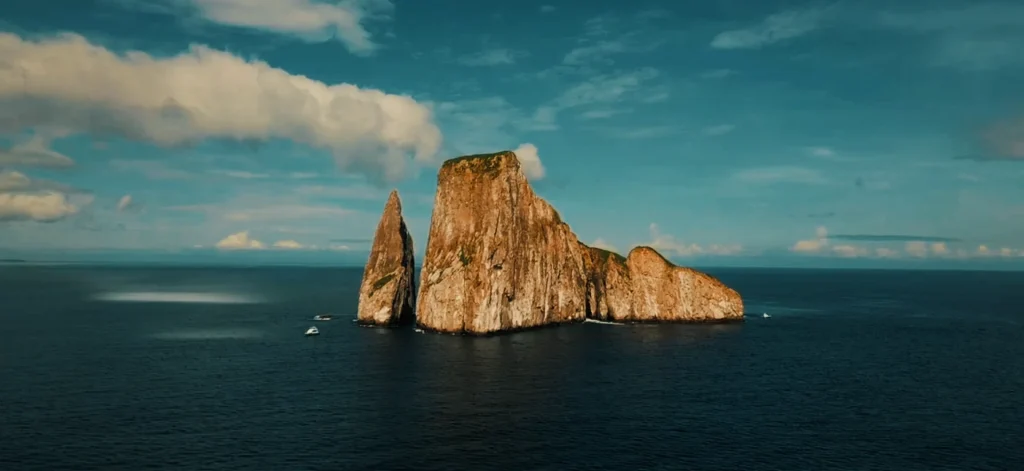
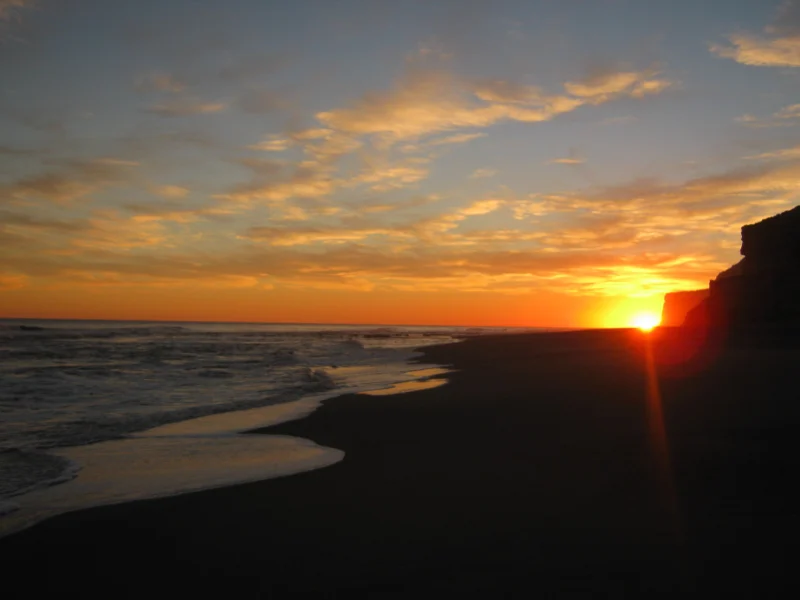
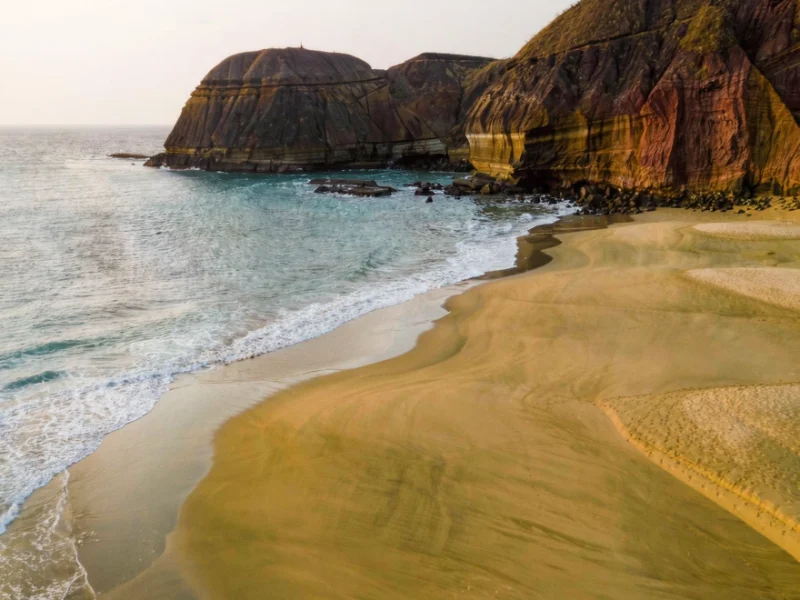
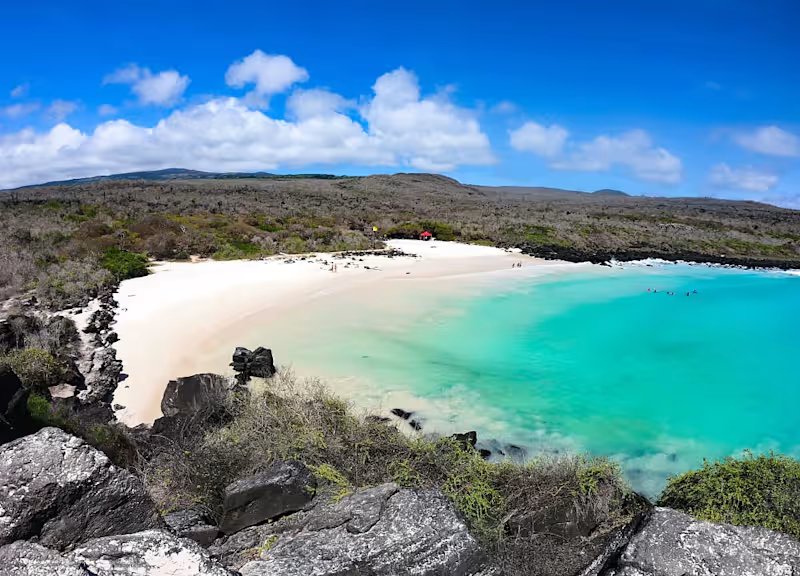
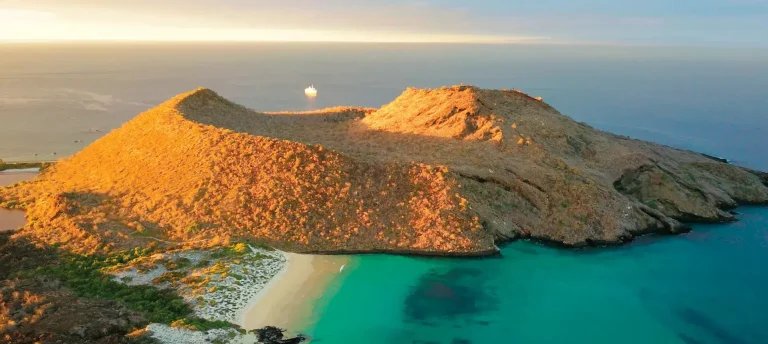
The island’s coastline is remarkably varied: the twin volcanic pinnacles of Kicker Rock (León Dormido) rise dramatically from the open sea, the cliffs at Punta Pitt show striking red and gold mineral banding, and calm beaches such as Puerto Chino offer a gentler counterpoint.
Wildlife You May Encounter
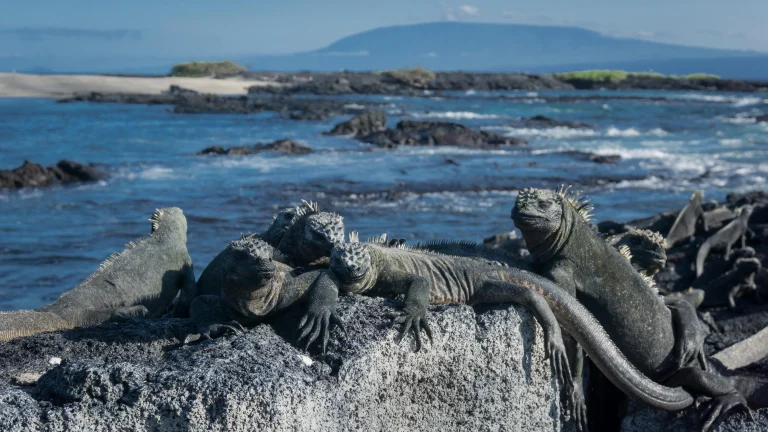
La Lobería, an easy walk from town, hosts a resident colony of Galápagos sea lions on volcanic rock. Punta Pitt is one of the only sites in the islands where blue-footed, Nazca, and red-footed boobies can all be seen nesting in the same area. Marine iguanas, frigatebirds, and several of Darwin’s finches are also commonly seen around the island.
Visitor Sites
Kicker Rock is a well-known snorkeling and diving site, with the channel between its two pinnacles known for rays, reef fish, and occasional hammerhead sharks. La Lobería, Punta Pitt, and Puerto Chino round out the island’s main visitor sites.
Naturalist Insight
Kicker Rock (León Dormido) is the eroded remnant of a volcanic tuff cone, split in two by wave action over time. Its pinnacles rise around 150 metres from the water, and the narrow channel between them has become one of the most recognizable dive and snorkel sites in the entire archipelago.
At a Glance
| Highlights | Kicker Rock, La Lobería, Punta Pitt |
|---|---|
| Best For | Snorkeling, diving, sea lion colonies, three booby species |
More Islands to Discover
A lifetime of Galápagos knowledge, gathered into one ebook.
Receive the EbookCurated by naturalists born in the Galápagos — see who's behind this knowledge